

Home / About
A national programme equipping doctoral engineers for the nuclear defence enterprise.
STAND-UP, Skills & Training driving Availability of National Defence assets, brings together seven UK universities, leading industry partners and the SEARCH centre at the University of Strathclyde under a single Doctoral Focal Award funded by EPSRC and UKRI.
Programme description
What is STAND-UP?
STAND-UP is a Doctoral Focal Award delivering more than 80 fully funded Engineering Doctorates across seven UK universities over four years.
Each studentship is a four year EngD combining a 12 month multi-disciplinary taught programme with 24 to 36 months embedded with an industry partner. Research targets the schedule, cost and quality challenges shaping the design, manufacture, through-life operation and decommissioning of the nation's nuclear defence assets.
The award also supports up to 20 part-time EngD@Work places for industry employees, broadening access to doctoral research without removing engineers from their workplace.
STAND-UP is funded by the Engineering and Physical Sciences Research Council (EPSRC) and UK Research and Innovation (UKRI). It is hosted by the SEARCH centre, the Sensor Enabled Automation Robotics & Control Hub at the University of Strathclyde, and led by the Centre for Ultrasonic Engineering.
Research themes
Four research themes anchored in real industry priorities.
Every STAND-UP project is mapped to one or more of these themes, ensuring research aligns to schedule, cost and quality outcomes for the nuclear defence enterprise.
-
Faster, more confident builds for complex steel structures and high value assemblies. Topics include modular assembly, additive manufacturing, special processes, monitoring & control, automation & robotics, sensor-driven manufacturing, and metrology.
Aligned to: >50% reduction in overall build time, >30% reduction in person hours on builds.
-
Keeping assets operational across decades of service. Topics include inspection and non-destructive evaluation, structural integrity, industrial AI (risk based), digital and data science, and design for through-life uptime.
Aligned to: >40% reduction in maintenance time.
-
End of life done responsibly. Topics include automated cutting, circular economy and material recovery, waste management, waste storage, remediation and environmental monitoring.
-
The underpinning science behind every other theme. Topics include advanced materials, chemistry & ageing, nuclear physics modelling & simulation, electrical instrumentation, control & power, superconductivity, and lasers & accelerators.
Programme impact
Three targets driving every STAND-UP project.
Each EngD project is assessed against its potential to contribute to one or more of these programme-level outcomes.

>50% faster builds
Reduction in overall build or decommissioning process time through digital tools, automation, new processes, monitoring and control strategies.

>40% less maintenance time
Reduction through new materials, robotics, smart sensors, inspection during service, and digital data analytics.

>30% fewer person hours
Reduction in person hours on builds through right-first-time operation, reduced rework, and sustainable smart manufacturing.
Leadership & governance
The team behind the programme.
STAND-UP is led from the University of Strathclyde and brought to life by an academic co-lead at each partner university.
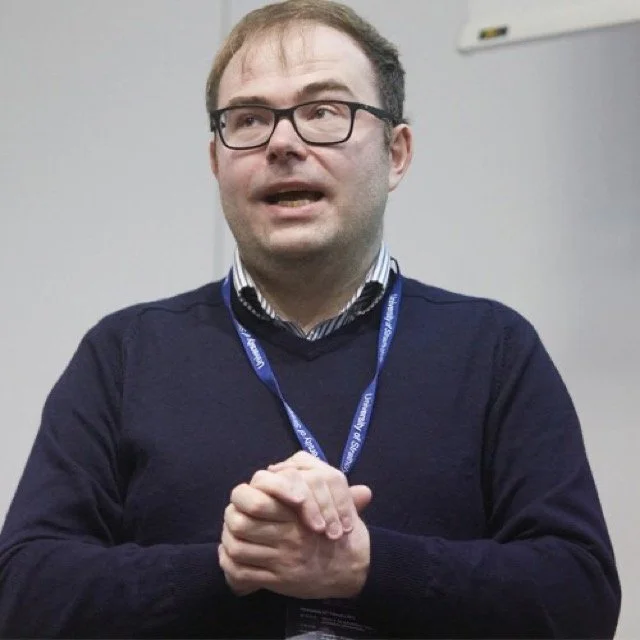
Professor Charles MacLeod
Electronic & Electrical Engineering, SEARCH
Strathclyde · Lead
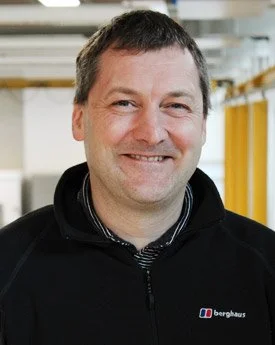
Professor James Taylor
Professor of Control Engineering
Lancaster
Professor David Butler
MTC Chair in Sustainable Manufacturing
Birmingham

Professor Svetan Ratchev
Cripps Professor of Production Engineering
Nottingham
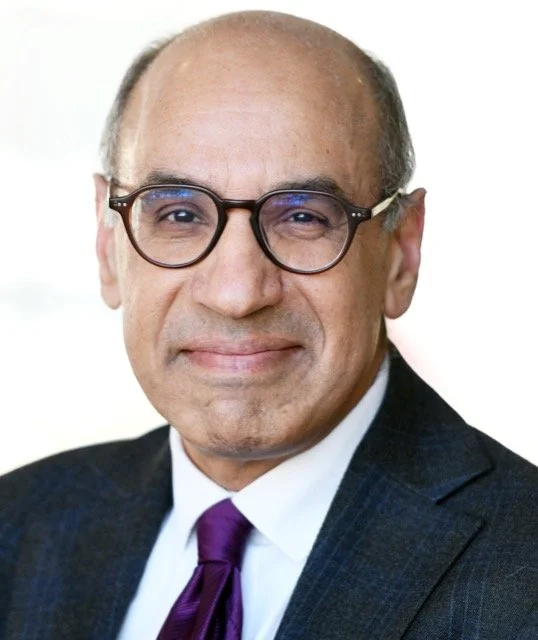
Professor Zulfiqur Ali
Pro Vice-Chancellor, Research & Knowledge Exchange
Cumbria
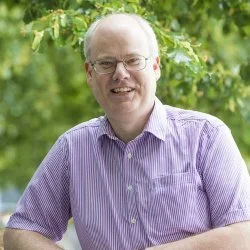
Professor Mark Whiting
Professor of Materials Ageing
Surrey
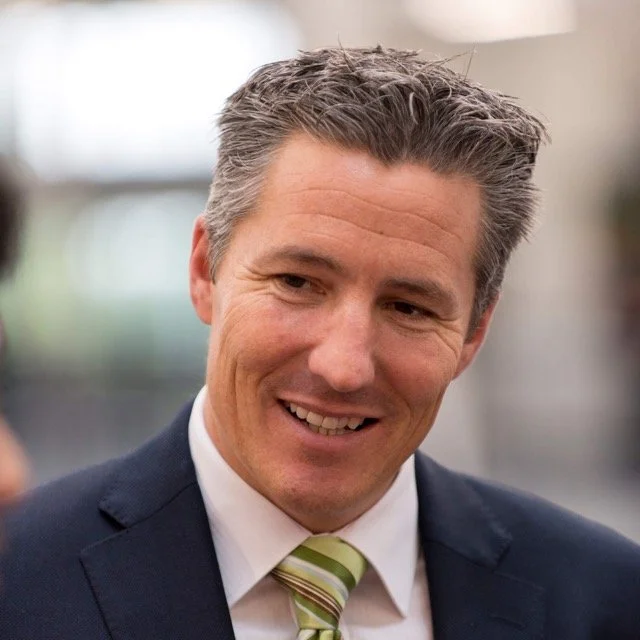
Professor Christopher Bussell
Pro Vice-Chancellor & Dean, Science & Engineering
Derby
Find a project, find your supervisor.
Explore the live EngD opportunities across the consortium, or get in touch with the programme team to discuss your research interests.